


Titanium
Metallurgy and alloys
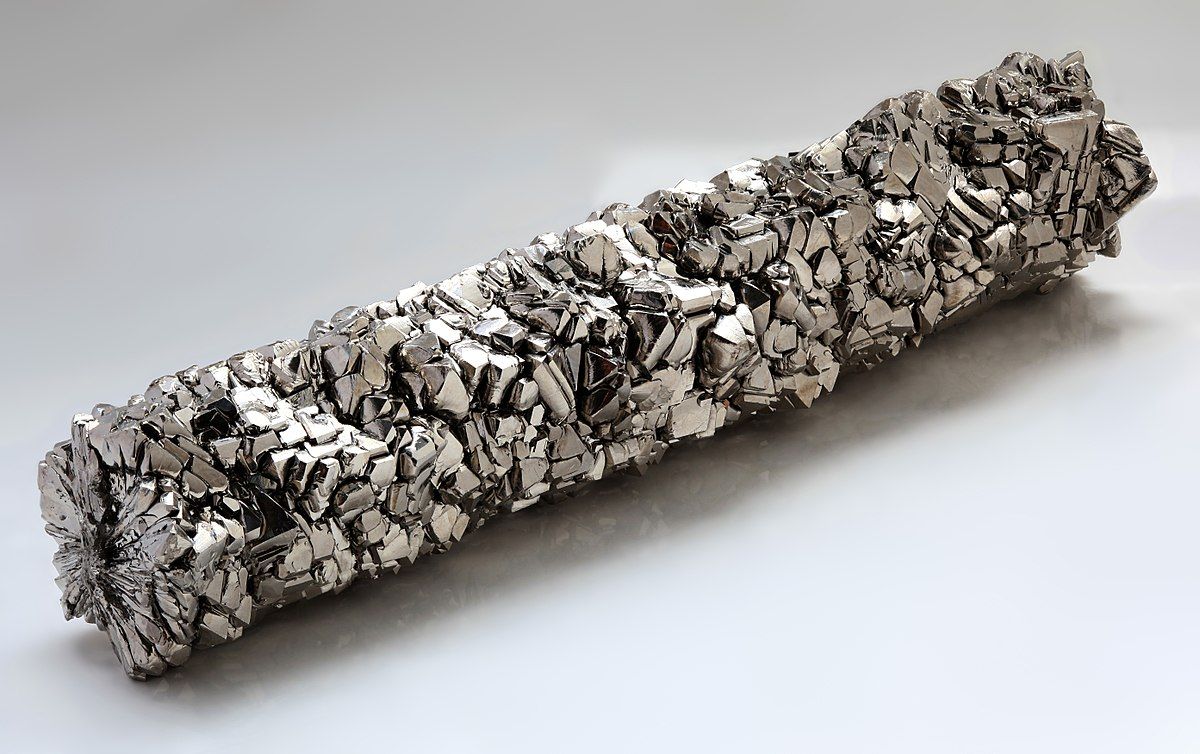
The use of titanium in metallurgy and alloy production is a key driver of progress in many areas of high technology and mechanical engineering. Its alloys offer an exceptional balance of properties difficult to achieve with other metals. Each titanium alloy is designed to offer strength, ductility, corrosion resistance, and biocompatibility, making them suitable for a wide range of applications across various industries. The ability to fine-tune these properties by varying alloying elements and processing methods is a key aspect of titanium's versatility in engineering and technology.
The most well-known titanium alloys and their purposes include:
1. Ti-6Al-4V (titanium, 6 % aluminum, 4 % vanadium). This is the most common titanium alloy, widely used in the aerospace industry for components such as airframes and engine parts due to its high strength, resistance to fatigue and crack propagation, and good machinability.
2. Ti -5Al- 2.5Sn ( titanium, 5 % aluminum,2.5 % tin). This alloy is used in the aerospace and marine industries. It has excellent stability, high-temperature strength , and good corrosion resistance, especially in saltwater environments.
3. Ti -3Al-2.5V ( titanium , 3 % aluminum, 2.5 % vanadium ) . This alloy is used primarily to produce tubing for aircraft hydraulic systems and bicycle frames. It has a good balance of strength and weight, as well as good weldability.
4. Ti-6Al-6V-2Sn (titanium, 6 % aluminum , 6 % vanadium, 2 % tin). This alloy is used for high-temperature applications in the aerospace industry, including airframe and engine components. It has high strength and oxidation resistance.
5. Titanium nickelide (nitinol). This titanium-nickel alloy has shape memory and superelastic properties. It is used in medical devices such as stents and orthodontic arches, as well as in actuators and temperature control systems.
How titanium is mined
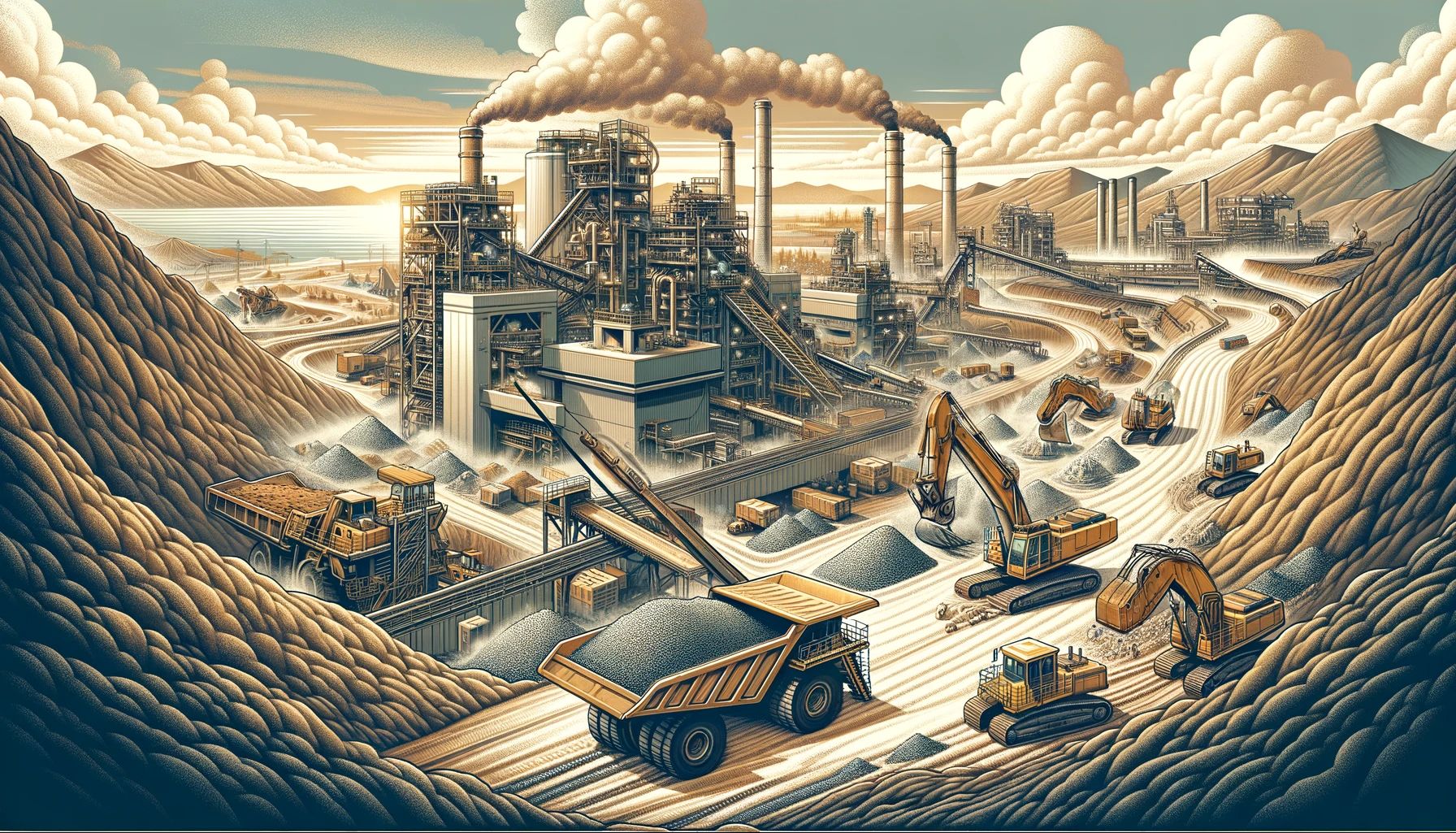
Titanium mining and extraction are energy-intensive processes requiring significant labor. Due to the complexity of the mining process and the need for high-temperature processing, titanium is more expensive than many other metals.
Titanium is obtained primarily from two types of ores: ilmenite ( FeTiO3 ) and rutile ( TiO2 ). Titanium ores are mined in both open-pit and surface quarries. Rutile is typically mined from beach sands and is relatively pure, while ilmenite is more common and generally less pure.
The mined ore is concentrated to increase its titanium dioxide content. This is often accomplished through crushing, washing, and magnetic separation. For ilmenite, smelting is used to separate the iron from the titanium. This involves carbon reduction in an electric arc furnace at high temperatures, resulting in a slag rich in titanium dioxide. The titanium dioxide is then processed in a chemical plant to produce titanium tetrachloride ( TiCl4 ). This is accomplished by chlorinating the titanium dioxide in the presence of carbon in a fluidized bed reactor at high temperatures. The titanium tetrachloride is purified by distillation to remove impurities.
Purified titanium tetrachloride is then reduced to metallic titanium using the Kroll process. In this process, titanium tetrachloride reacts with magnesium or sodium in a large reactor, producing titanium sponge and magnesium chloride or sodium chloride, which are then separated. The titanium sponge is then melted in a vacuum arc furnace and can be alloyed with other metals to produce various grades of titanium. Finally, the titanium is formed into products that can be rolled, forged, and machined.
Where is titanium mined?
Titanium, primarily derived from the minerals ilmenite and rutile, is mined in various regions of the world. The geography of titanium mining reflects the distribution of these minerals' reserves. Regions differ in the type of titanium mineral mined: some mine rutile, which is less common and has a higher titanium dioxide content, while others mine ilmenite, which is more common but contains lower amounts of titanium dioxide. The global distribution of titanium mining is influenced by geological formations, the presence of heavy mineral sands, and the economic factors associated with the extraction and processing of these minerals.
The main regions and countries where titanium is mined include:
1. Australia. Australia is one of the leading producers of rutile and ilmenite. It has significant deposits of these minerals, particularly in Western Australia and Queensland.
2. South Africa. South Africa is another major producer, particularly of rutile. The country has extensive mineral sand deposits along the east and northeast coasts.
3. China. China is a major producer of titanium minerals, especially ilmenite. It has several large deposits and has been increasing production capacity over the years.
4. Canada. Canada has significant ilmenite deposits, particularly in Quebec. The country is a significant player in the global titanium market.
5. India. India has significant reserves of ilmenite and rutile, especially on the southern and eastern coasts.
6. Norway. Norway has significant reserves of ilmenite and is an important supplier of this mineral to Europe.
7. Ukraine. Ukraine has deposits of ilmenite, rutile, and leucoxene and contributes to global titanium supplies.
8. United States. Titanium is mined in the United States, particularly in Florida and Virginia, where ilmenite and rutile are extracted from heavy mineral sands.
9. Mozambique. Mozambique is home to some of the world's most significant recent discoveries of heavy mineral sands, including significant deposits of ilmenite.
10. Kenya. Kenya has also recently entered the titanium mining arena, with significant deposits along the coast.
11. Sierra Leone. Sierra Leone has rich deposits of titanium-containing minerals, especially rutile.
12. Vietnam. Vietnam is another notable source of titanium minerals, especially ilmenite.