


Aluminum Ingot A7
Aluminum Ingots A7 99.97% Grade A
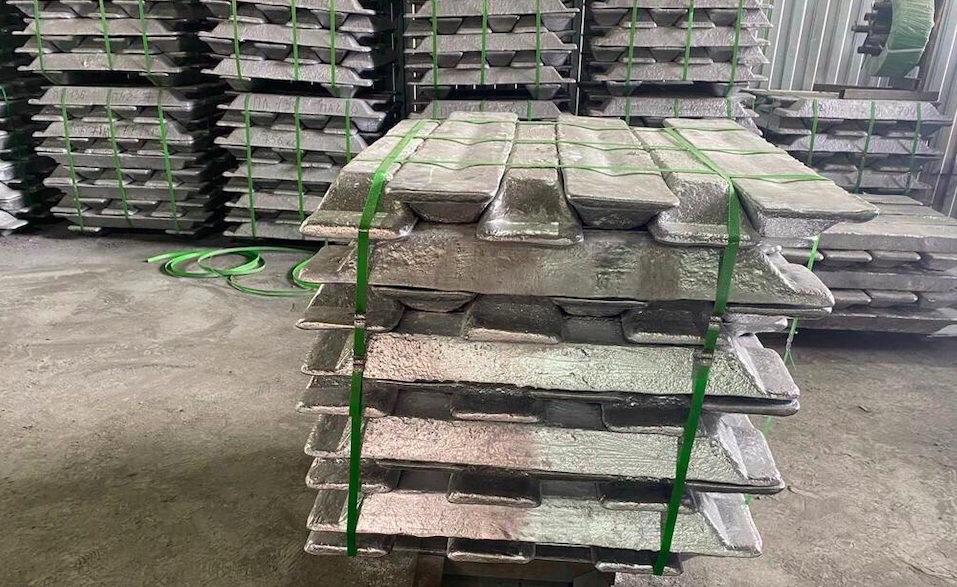
Aluminum Ingots A7 refers to a grade of primary aluminum with a minimum purity of 99.7%. This means the aluminum contains very few impurities, making it suitable for a variety of applications.
- Appearance: Aluminum ingots are typically rectangular blocks of metal with a bright, silvery surface.
Uses of Aluminum Ingot A7
Aluminum ingot A7 is used in a range of industries due to its properties:
- Lightweight: Aluminum is incredibly lightweight, making it ideal for transportation and construction applications where weight reduction is important.
- Corrosion Resistance: The metal naturally develops an oxide layer, protecting it from corrosion.
- Ductility and Malleability: Aluminum A7 can be easily shaped and formed into different products.
- Conductivity: It’s a good conductor of heat and electricity.
- Recyclability: Aluminum is highly recyclable.
Some common uses:
- Automotive and Aerospace: Used to create lightweight components, reducing weight and increasing fuel efficiency.
- Construction: Utilized in building materials like siding, roofing, and window frames.
- Electrical: Used for electrical wiring and components.
- Packaging: Aluminum cans and foil are common products made from aluminum.
- Alloying: Aluminum A7 is a base ingredient for creating various aluminum alloys with enhanced strength and other properties.
Chemical Composition
- Aluminum (Al): Minimum of 99.7%
- Silicon (Si): Maximum of 0.10%
- Iron (Fe): Maximum of 0.20%
- Copper (Cu): Maximum of 0.01%
- Other Impurities: Each impurity is typically limited to 0.02% or less, with a total impurity content of no more than 0.30%.
Properties
- Strength: While pure aluminum itself is not exceptionally strong, Aluminum A7 benefits when used in alloying. Various aluminum alloys can achieve substantial strength levels for demanding applications.
- Corrosion Resistance: Due to a natural oxide layer, Aluminum A7 offers good resistance to atmospheric corrosion. In more extreme environments, additional surface treatments can enhance its resistance.
- Conductivity: Possesses excellent thermal and electrical conductivity, making it vital in heat exchangers, electrical conductors, and related applications.
- Formability: This grade is known for its malleability and ductility, allowing it to be shaped through processes like rolling, extruding, and forging.
- Recyclability: One of the most significant advantages of aluminum is its recyclability, requiring only a fraction of the energy needed to produce primary aluminum.
Specific Applications
- Alloying Base: Aluminum A7 often serves as the starting point for creating aluminum alloys. Some common alloys using A7 as a base include:
- 6061: General-purpose, strong, and readily weldable alloy for structural components.
- 7075: High-strength alloy, widely used in aerospace for its strength-to-weight ratio.
- Deoxidizing Agent: In steelmaking, Aluminum A7 helps remove oxygen, increasing steel quality.
- Conductor Material: Due to its conductivity, it is sometimes used for specialized electrical conductors where the lightweight is a priority.
- Heat Exchangers: Excellent conductivity makes it a suitable material for heat exchanger components in systems like refrigerators.
Major Industries
- Automotive: Lightweight body panels, engine components (blocks, pistons), transmission housings, suspension systems, wheels, and structural parts contribute to weight reduction and increased fuel efficiency.
- Aerospace: Aircraft fuselage and wing components, structural parts, landing gear. The material’s lightweight characteristics and its use in strong alloys are critical in this sector.
- Construction: Roofing, siding, window and door frames, gutters, structural elements (where increased strength from alloying is necessary). Corrosion resistance and durability are valuable here.
- Electrical: Sometimes used in specific wiring, bus bars, and components where weight and conductivity are priorities. Not as common as copper due to cost differences.
- Packaging: Aluminum cans, foil, and other packaging materials due to its lightweight, formability, and barrier properties.
Other Important Applications
- Alloying: Aluminum A7 acts as a base for producing various aluminum alloys (like 6061 and 7075), enhancing strength, hardness, machinability, etc.
- Deoxidizing in Steelmaking: Aluminum A7 acts as a deoxidizer in steel production, improving the quality of the final steel.
- Heat Exchangers: The excellent thermal conductivity of aluminum makes it suitable for use in heat exchangers (e.g., radiators, refrigeration systems).
- Consumer Goods: Certain cookware, decorative items, and sporting equipment can be made from this material.